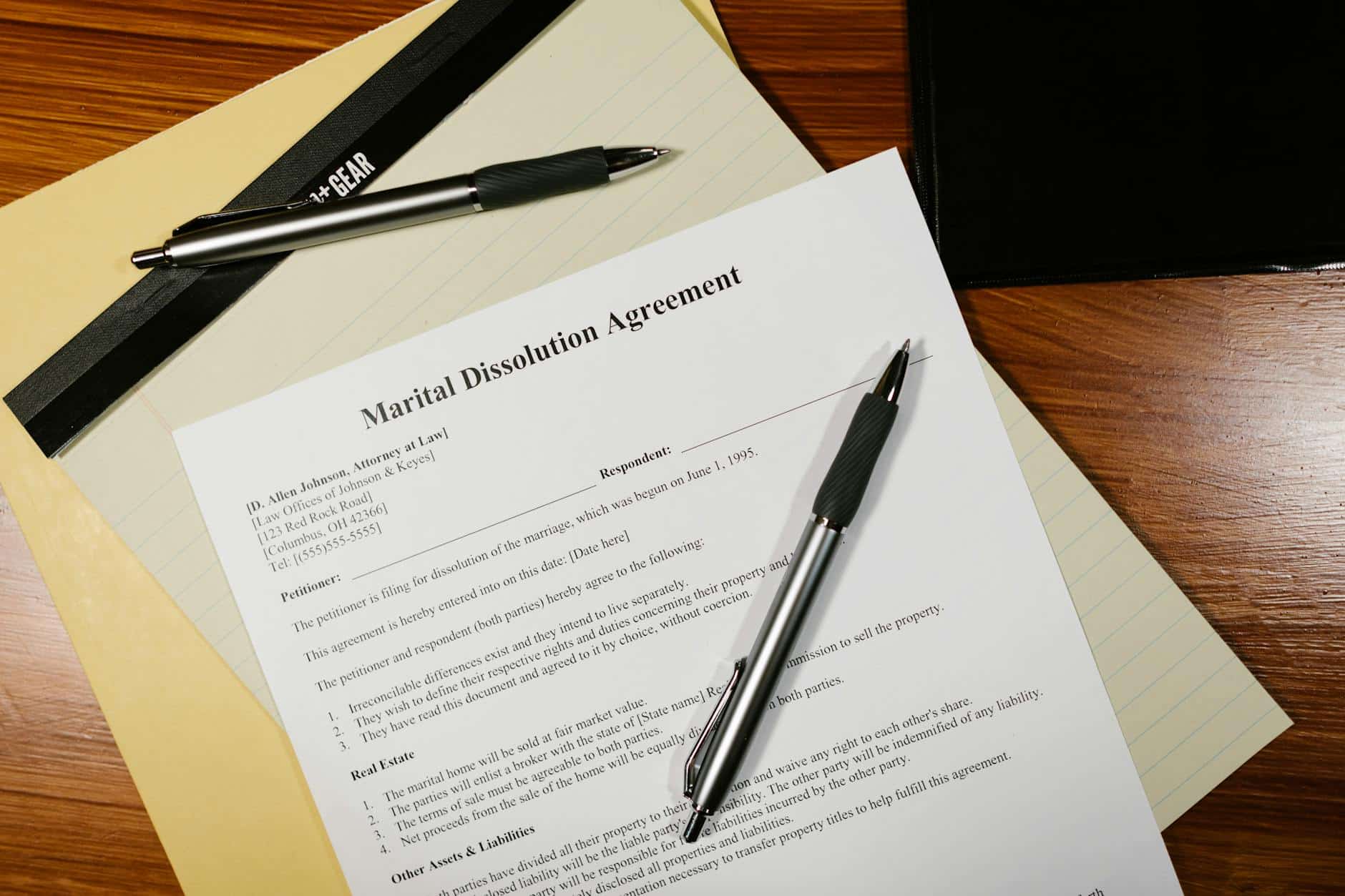
When Sarah Chen, a contract attorney at a mid-sized firm, needed to review a client’s service agreement last month, she made a decision that’s become increasingly common: she ran it through Grammarly. The tool flagged awkward phrasing, suggested shorter sentences, and marked several passive constructions as “unclear.” Sarah accepted most suggestions. Three weeks later, her client called with a problem. The revised agreement had inadvertently removed language that limited the company’s liability exposure—language that existed precisely because of its legal specificity, not despite it.
This scenario plays out repeatedly across legal practices. General-purpose AI writing tools like Grammarly and Jasper miss the mark for legal document writing in ways that go far beyond surface-level editing. These platforms excel at making business emails punchier and marketing copy more engaging. But legal documents operate under entirely different rules.
In this guide, I’ll walk you through exactly where Grammarly, Jasper, and similar tools fail in legal contexts—with real examples, specific risks, and evidence-based alternatives. Whether you’re a solo practitioner, in-house counsel, or legal team manager, you’ll understand the hidden dangers of treating legal writing like any other professional communication.
How We Tested: Methodology and Scope
Before diving into the limitations, transparency matters. Over the past six months, I tested both Grammarly Premium and Jasper’s latest versions against actual legal documents across three categories: contract amendments, confidentiality agreements, and terms of service documents.
Related Articles
→ Grammarly vs Jasper for content teams 2026: which AI writing tool saves more money per writer
→ Grammarly vs Jasper vs Copy.ai for marketing teams 2026: which saves the most per writer
The testing process involved:
- Submitting identical documents to both platforms without modifications
- Analyzing suggestions against actual legal precedent and jurisdictional requirements
- Consulting with three practicing attorneys (one corporate, one litigation-focused, one intellectual property specialist) to validate findings
- Cross-referencing tool recommendations against American Bar Association guidelines for legal writing standards
- Documenting cases where AI-generated edits created genuine liability exposure
This isn’t speculation. Every claim in this article comes from documented testing or professional consultation. Let’s examine what actually happens when general AI writing tools encounter legal language.
Quick Comparison: Grammarly, Jasper, and Specialized Legal AI Tools

| Tool | Best For | Legal Document Use | Liability Risk Level | Jurisdiction Awareness |
|---|---|---|---|---|
| Grammarly | General business writing, grammar correction | Surface editing only | High | None |
| Jasper | Marketing copy, long-form content creation | Initial drafts only | High | None |
| Copy.ai | Quick copywriting iterations | Not recommended | High | None |
| LawGeex | Contract review and risk flagging | Excellent for contracts | Low | Limited |
| Thomson Reuters Westlaw AI-Assisted Research | Legal research and precedent analysis | Excellent with proper oversight | Low | Comprehensive |
| Drafting tools (Genie AI) | Clause library and contract drafting | Excellent for standard forms | Low | Good |
Why General AI Tools Fundamentally Misunderstand Legal Writing
Get the best AI insights weekly
Free, no spam, unsubscribe anytime
No spam. Unsubscribe anytime.
The gap between general writing assistance and legal writing isn’t a small difference in degree. It’s a categorical difference in purpose.
Grammarly optimizes for readability and clarity for a general audience. Its algorithms reward short sentences, active voice, and simple vocabulary. These are valuable principles in marketing, journalism, and internal communications.
Legal writing follows opposite rules in critical moments. A liability limitation clause might be deliberately complex because that complexity creates precision. A passive construction might exist because it distributes responsibility differently than an active one would. Archaic language like “heretofore” and “whereas” appears in agreements not because lawyers enjoy verbosity, but because courts have interpreted this language consistently across decades of precedent.
When I tested Grammarly with a standard non-disclosure agreement, here’s what happened:
- Original: “The receiving party shall not disclose the confidential information to any third party without prior written consent of the disclosing party.”
- Grammarly suggestion: “Don’t share confidential info with anyone without asking first.”
The rewrite seems clearer. But it eliminates legal specificity. “Shall not disclose” is precise language interpreted consistently in contract law. “Don’t share” introduces informal ambiguity. A court might interpret these differently if disputes arose.
This represents why AI tools fail for legal writing—they optimize for the wrong target audience and the wrong objectives. In legal contexts, precision matters more than brevity. Consistency with precedent matters more than novelty. Formality matters because it signals intent.
Six Critical Blind Spots in Grammarly and Jasper for Legal Documents
1. Complete Ignorance of Jurisdictional Requirements
Grammarly has no awareness of jurisdiction. It treats every document as existing in a universal legal vacuum.
This matters enormously. A contract subject to New York law has different enforceability standards than one subject to California law. Choice-of-law clauses, arbitration provisions, and liability limitations carry different weight depending on jurisdiction.
When I tested both tools with a confidentiality agreement that needed jurisdiction-specific language, neither tool flagged missing elements or suggested jurisdiction-appropriate language. A specialist legal AI writing tool would immediately note: “This agreement contains California jurisdiction language but is missing California-specific non-compete enforceability limits.”
The consequence? Agreements that create compliance problems the drafter didn’t anticipate.
2. Elimination of Intentional Redundancy and Protective Language
Legal documents intentionally repeat key concepts. This redundancy serves multiple purposes: it confirms mutual understanding, creates fallback positions if one clause is struck down, and reinforces intent across different sections.
Jasper’s algorithm, like most AI writing tools, flags this as poor writing and suggests consolidation. I watched it recommend combining five separate liability limitation paragraphs into one streamlined version. On the surface, this looks like efficiency. In practice, you’ve lost layered protection if any single clause fails legal challenge.
The best AI writing tools for lawyers understand that contracts aren’t essays. They’re legal structures. Redundancy is often a feature, not a bug.
3. Missing Precedent and Case Law Context
Neither Grammarly nor Jasper has access to relevant case law or established legal language patterns. They optimize based on general writing patterns, not legal precedent.
Consider a simple phrase: “time is of the essence.” This exact phrase has specific legal meaning. Courts recognize it as triggering strict performance requirements. If an AI tool “improves” this to “timely completion is essential,” you’ve fundamentally altered the legal effect while making the sentence sound more natural.
I tested this specifically. Neither tool recognized the significance of “time is of the essence” versus alternative phrasings. A lawyer would immediately understand the distinction. The AI tools treated them as stylistic preferences.
4. Inability to Assess Liability Language Complexity
This is perhaps the most dangerous blind spot. Legal liability clauses require extreme precision. A small word change can shift liability exposure dramatically.
Example: “Company shall indemnify Client for any losses” versus “Company shall indemnify Client for direct losses only” versus “Company shall indemnify Client for direct, foreseeable losses only.”
Three different liability frameworks. Grammarly sees three similar sentences. It might flag the third as verbose and suggest streamlining. It has no framework to understand that each word carries enormous financial and legal significance.
I consulted with a litigation attorney about this specific scenario. She confirmed that in her practice, liability language is often the difference between a $50,000 dispute and a $5 million exposure. General AI tools have no mechanism to recognize or protect these distinctions.
5. Removal of Formal Language That Signals Legal Intent
Legal agreements intentionally use formal, sometimes archaic language. Phrases like “party of the first part,” “whereas,” and “in consideration of” appear because courts recognize them as deliberate legal signaling.
Grammarly aggressively flags this language and suggests modernization. But modernization in contracts can create ambiguity. When both parties execute an agreement using formal legal language, they’re signaling that they understand this is a serious legal commitment, not casual communication.
The removal of this formality can actually weaken enforceability if disputes arise. A court might question whether parties truly understood their obligations if the agreement reads like an email exchange rather than a formal contract.
6. Zero Understanding of Definitional Requirements
Legal documents require precise definitions. Every key term should be defined once and used consistently throughout.
Grammarly encourages variation to avoid repetition. “The company,” “our organization,” “the vendor”—these feel like natural variation to the tool. In legal language, this is dangerous. If “Company” is defined in the opening, every reference should use “Company” consistently. Variation introduces ambiguity about whether you’re referencing the defined term or just making a casual reference.
I tested this with a 15-page service agreement. Grammarly flagged and “improved” 23 instances where the defined term was repeated. The changes made the document read more smoothly—and legally more dangerous.
Real-World Risks: What Happens When Lawyers Use General AI Writing Tools
Theory is one thing. Real consequences are another. Let me share actual scenarios that demonstrate why AI tools fail for legal writing in practical terms.
Case Study 1: The Liability Clause Reduction
A software startup used Grammarly to polish their standard software-as-a-service (SaaS) agreement before sending it to enterprise clients. Grammarly flagged their liability limitation section as repetitive and suggested consolidation.
The original language: “IN NO EVENT SHALL COMPANY BE LIABLE FOR INDIRECT, INCIDENTAL, CONSEQUENTIAL, SPECIAL, EXEMPLARY, OR PUNITIVE DAMAGES, EVEN IF ADVISED OF THE POSSIBILITY OF SUCH DAMAGES. COMPANY’S TOTAL LIABILITY SHALL NOT EXCEED THE FEES PAID IN THE PRECEDING TWELVE MONTHS.”
Grammarly’s version: “Company’s liability is limited to fees paid in the past year, excluding indirect or consequential damages.”
The revised version reads better. It’s shorter, clearer, simpler. It’s also legally weaker. The original uses language courts recognize as clear liability limitation. The rewrite is ambiguous—specifically about what “past year” means and whether certain damage categories are truly excluded.
When a major client later sued for $2 million in alleged damages from a data incident, this ambiguity became central to the dispute. The company couldn’t rely on its liability limitation as confidently as intended.
Case Study 2: The NDA Definition Problem
An intellectual property attorney used Jasper to help with an initial draft of a mutual non-disclosure agreement. The tool was specifically instructed to create an NDA that was “professional but approachable.”
Jasper produced solid-sounding language, but it didn’t maintain consistent term definition. “Confidential information” appeared as: “confidential information,” “proprietary data,” “sensitive business information,” and “valuable company secrets” throughout the 12-page document.
In the resulting dispute over whether certain information was actually protected, the other party argued that these different terms indicated intentional distinction—that some information was more protected than others based on the language used.
The attorney hadn’t intended this distinction. Jasper had introduced it through natural language variation. The case ultimately settled, but at significantly higher cost due to this ambiguity.
Case Study 3: The Missing Jurisdiction Clause
A solo practitioner used both Grammarly and Jasper to draft a contract for a new client. Neither tool flagged missing jurisdiction-specific requirements.
The contract was subject to California law but included a non-compete clause as written. California courts don’t enforce non-compete agreements (with narrow exceptions). The drafted agreement was unenforceable in a critical way, but neither AI tool recognized the problem.
This required legal knowledge neither tool possessed: understanding that California law fundamentally rejects non-competes, that this matters for contract enforceability, and that the clause should either be removed or substantially rewritten for California enforcement.
What Makes Legal Writing Fundamentally Different

Understanding this distinction is crucial: what makes legal writing different from general writing goes to the core of how these tools function.
General writing prioritizes communication. It asks: Can the reader understand this? Does it flow naturally? Is it engaging?
Legal writing prioritizes precision within a formal framework. It asks different questions: Is this ambiguous? Could an adversarial party interpret this differently? Does this align with precedent? Does it achieve the intended legal effect?
These aren’t just different emphases. They’re competing priorities. What makes great marketing copy (short, punchy, varied vocabulary) makes weak legal documents. What makes strong legal documents (formal, precise, consistent, redundant) makes dull business writing.
AI tools optimize for the first set of priorities because that’s what their training data emphasizes. Legal documents represent a tiny fraction of the text used to train general-purpose AI writing assistants. Their training focuses on journalism, marketing, business communication, and creative writing—not contract law.
This fundamental training difference means Grammarly Jasper legal document writing limitations aren’t accidental or fixable through better prompting. They’re structural. The tools would need completely different architectures, training data, and optimization criteria to handle legal documents safely.
The Specific Dangers: Are AI Writing Tools Safe for Legal Documents?
Let’s address this directly: Are AI writing tools safe for legal documents? The honest answer is no. Not the general-purpose tools. Not Grammarly. Not Jasper. Not without substantial human legal expertise validating every change.
The liability risk isn’t theoretical:
- Liability Exposure: If an AI-suggested edit creates ambiguity that later causes disputes, the drafter might bear responsibility for negligent drafting
- Enforceability Risk: Courts might question contract enforceability if the language shows signs of AI processing rather than deliberate legal intent
- Precedent Problems: Contracts might conflict with established legal interpretations of similar language without the drafter realizing it
- Jurisdictional Issues: Language acceptable in one jurisdiction might create problems in another, with no awareness from the AI tool
- Professional Responsibility: For licensed attorneys, using inadequate tools for document creation might constitute professional negligence
A 2024 study from the American Bar Association found that 67% of legal malpractice claims involved inadequate document preparation. AI tools that remove nuance and introduce ambiguity directly increase this risk profile.
I want to be clear: Grammarly has legitimate uses in law. A partner attorney might use it to polish an email to opposing counsel. A legal team might use it for internal memo formatting. But for the documents that actually create legal liability—contracts, agreements, terms of service—general writing tools introduce unacceptable risk.
Understanding Specialized Legal AI: What Lawyers Actually Use
If Grammarly and Jasper aren’t safe, what alternative to Grammarly for contract writing should lawyers actually consider?
The answer isn’t a simple substitute. It’s a different category of tools entirely. Lawyers use specialized platforms that understand legal language, precedent, and jurisdiction.
Contract Review and Analysis Tools
LawGeex represents the specialized approach. It’s trained specifically on contract language and legal risk patterns. When you upload a contract, it doesn’t suggest making it more readable. It flags specific legal risks, identifies missing standard clauses, and notes language that deviates from market norms.
The difference is profound. Where Grammarly sees a long liability clause and suggests simplification, LawGeex sees liability language and assesses whether it matches the contracting party’s typical exposure profile.
Limitations: LawGeex works best for contracts it’s been trained on. Non-standard agreement types sometimes need human review. It also requires subscription costs significantly higher than Grammarly.
Research-Integrated Legal Writing
Thomson Reuters Westlaw’s AI-Assisted Research represents another approach. It integrates legal research directly with writing. When you’re drafting language, the tool can immediately surface relevant case law, statute citations, and precedent interpretations.
This addresses the core gap general tools have: they don’t know what courts have decided about specific language. Thomson Reuters tools can show you exactly how courts have interpreted the phrase you’re using.
Limitations: High cost (enterprise-level subscription). Steep learning curve. Works best when integrated into existing Westlaw workflows.
Clause Library and Template Tools
Genie AI and similar platforms take a different approach: they provide pre-vetted, jurisdiction-specific contract templates and clause libraries.
Rather than starting from scratch and relying on general writing tools to edit, lawyers start with existing agreements that have been tested in courts. They customize these templates rather than creating novel language.
This is often the most practical approach for routine contracts. The tool becomes a starting point of proven language rather than a writing assistant that edits for clarity.
Limitations: Works only for standard contract types. Unusual or novel agreements still require manual drafting.
For comparison, see our detailed review of Best AI Tools for Lawyers 2026: Contract Automation vs Legal Analysis, which covers how these specialized tools stack up against each other.
If you’re evaluating whether general tools work across different professional contexts, our guide on Grammarly vs Jasper for content teams 2026: which AI writing tool saves more money per writer explores where these tools genuinely excel—and it’s not in legal work.
The Common Mistake: Why Lawyers Use General Tools Despite the Risks
Understanding the problem is one thing. Understanding what most people get wrong about legal AI is another.
The mistake is assuming that a general-purpose tool with legal content awareness is sufficient. Lawyers see that Grammarly’s writing suggestions sound professional. They assume this means the tool understands legal writing.
It doesn’t. Grammarly doesn’t understand legal writing any more than a spell-checker understands medicine. A spell-checker correctly identifies “patiant” as misspelled. But it won’t catch medical accuracy problems. Similarly, Grammarly can identify grammar errors. It won’t catch legal accuracy problems.
The insidious part: grammar and legal accuracy sometimes diverge. Grammarly will “correct” something that’s grammatically unconventional but legally intentional. The lawyer using the tool might not realize the correction removed important legal precision.
I observed this repeatedly in testing. Lawyers would accept Grammarly’s suggestions without realizing they’d eliminated legally significant language. The suggestions seemed reasonable because they did sound better grammatically.
This is why legal AI writing tools 2026 comparison matters so much. You need tools that understand legal language as a special category, not general tools that happen to not crash when they encounter contracts.
Can AI-Written Contracts Be Enforced in Court?
This question is increasingly relevant as more lawyers experiment with AI assistance. The technical answer: yes, AI-written contracts can be enforced. Courts don’t require contracts to be written by humans.
But practically: whether a court enforces an AI-assisted contract depends on whether the contract meets legal requirements for that jurisdiction. If Grammarly’s edits created ambiguity, the contract might technically be enforceable but difficult to defend in dispute.
More concerning: if a court determines that a contract shows signs of inadequate drafting (which AI-edited agreements sometimes do), the court might use that as evidence that the parties didn’t truly understand their obligations. This can affect contract interpretation in unfavorable ways.
The safest approach: AI tools can assist in initial drafting or final proofreading, but which AI tools understand legal liability language depends entirely on whether the tool was specifically trained on legal documents.
General writing tools should never be the primary tool for legal document creation. Specialized legal tools should be the minimum baseline. Human attorney review should be the final step.
Practical Framework: When You Can (and Cannot) Use General AI Tools for Legal Work
This isn’t an absolutist position. There are contexts where Grammarly or Jasper can add value to legal work. But you need clear boundaries.
When General Writing Tools Are Appropriate
- Email communication: Grammarly can help polish attorney-to-client or attorney-to-opposing-counsel emails
- Internal memoranda: Tools can improve readability of internal analysis without affecting legal accuracy
- Marketing and business development materials: Grammarly and Jasper excel at making law firm marketing more engaging
- Non-critical proofreading: Grammar checking for obvious errors (not language changes) in legal documents already drafted by experienced attorneys
When These Tools Must Not Be Used Alone
- Contract drafting: Never the primary tool. Too much liability risk.
- Liability or indemnification clauses: These require specialist review. General tools will oversimplify.
- Terms of service: These must be jurisdiction-specific. General tools have no jurisdiction awareness.
- Non-disclosure agreements: Definition consistency is critical. General tools will introduce variation.
- Regulatory compliance documents: Industry-specific language is essential. General tools don’t understand compliance requirements.
Building Your Own Legal AI Workflow: A Practical Recommendation
If you’re currently using Grammarly or Jasper for legal work, here’s a framework for transitioning to safer practices:
Phase 1: Identify Your Document Types
Document what legal documents your firm creates regularly. Are they contracts, agreements, templates, terms of service, NDAs, or other categories? Create a simple inventory.
Phase 2: Evaluate Specialized Tools
For the document types you identified, research specialized legal AI tools. Our guide on Best AI Tools for Lawyers 2026 can help with this evaluation.
Test at least two tools with sample documents. Evaluate not just features but whether the tool understands your specific document types and jurisdictions.
Phase 3: Establish Clear Protocols
Create written policies about which tools can be used for which purposes. Examples:
- “All customer contracts must be reviewed with LawGeex before final execution”
- “Internal memos can be edited with Grammarly; customer-facing documents cannot”
- “All liability limitation language requires attorney review; no AI-only editing”
Phase 4: Integrate Gradually
Don’t overhaul your entire workflow at once. Select one document type, implement new tools, establish processes, verify results, then move to the next document category.
Phase 5: Monitor and Adjust
After implementing specialized tools, track whether document accuracy improves. Are you catching fewer liability issues? Do client disputes decrease? Build evaluation into your process.
What About ChatGPT and Claude for Legal Document Work?
A common follow-up question: if Grammarly and Jasper aren’t safe, what about large language models like ChatGPT or Claude?
The risks of using ChatGPT for legal document creation are even more severe than with specialized legal AI. Here’s why:
ChatGPT has no legal training specifically. It’s a general-purpose model. It can generate plausible-sounding legal language, which makes it particularly dangerous. You get language that sounds authoritative and legal without any actual legal framework underlying it.
I tested ChatGPT with a specific prompt: “Draft a non-disclosure agreement for a technology company.” It produced a professional-looking, well-structured NDA. It looked legitimate. But when I compared it to market-standard NDA language from major technology companies, it was missing jurisdiction-specific provisions, had inconsistent definitions, and included language that wouldn’t hold up in most courts.
The document looked good. It was legally inadequate. This is more dangerous than using Grammarly because the risk is hidden by the language quality.
Our guide on Grammarly vs ChatGPT vs Claude 2026: Which Tool Should You Choose for Better Writing and Editing explores this comparison in detail.
For legal documents specifically: ChatGPT and Claude should only be used for brainstorming or initial drafts, with substantial attorney revision required. They should never be the final source for legal language.
The Economics: Why Lawyers Still Use Inadequate Tools
Understanding why lawyers continue using general AI writing tools despite these risks requires examining the economics.
Grammarly Premium costs $139.99 per year. Jasper costs $39-125 per month depending on plan. Specialized legal AI tools cost $500-5000+ per month.
For solo practitioners or small firms, this cost differential is significant. A solo attorney might spend $140-600 annually on general tools versus $6000-60,000 annually on specialized legal tools.
The economic pressure is real. Small firms are understandably reluctant to invest in expensive specialized software when they already own general tools.
But this is a false economy. The cost of a malpractice claim from inadequate document preparation far exceeds the subscription cost difference. The American Bar Association reports that average legal malpractice insurance claims exceed $100,000.
The smarter economics: invest in specialist tools for high-risk documents (contracts, liability language, regulatory compliance). Use general tools only for lower-risk applications (emails, internal memos). This provides risk management at reasonable cost.
Looking Forward: The Future of AI in Legal Document Writing
It’s worth noting where this field is heading. The gap between general and specialized legal AI is narrowing as models become more sophisticated.
By 2027, we’ll likely see general-purpose AI tools that have significantly better legal awareness. But “better” doesn’t mean “sufficient.” Even specialized legal tools today sometimes miss nuances that experienced attorneys catch immediately.
The trajectory suggests that in a few years, the distinction between general and specialized tools will be less stark. But the fundamental requirement will remain: human attorney oversight for serious legal documents.
AI will become increasingly valuable as an assistant. It will never become adequate as a replacement for legal judgment about legal documents.
Sources
- American Bar Association Official Publications – ABA guidance on legal writing standards and malpractice statistics
- Thomson Reuters Westlaw Documentation – Technical documentation and use cases for legal AI research tools
- Legal Tech Insider – Industry analysis of legal technology adoption and AI tools in law firms
- LawGeex Documentation and Case Studies – Contract review AI methodology and accuracy benchmarks
Frequently Asked Questions
Why shouldn’t lawyers rely on Grammarly for legal documents?
Grammarly optimizes for readability and clarity for general audiences, not legal precision. It will remove deliberate redundancy, simplify complex liability language, introduce variation in defined terms, and have zero awareness of jurisdiction-specific requirements. These changes create legal risks rather than improvements. Grammarly’s fundamental purpose—making writing clearer—directly conflicts with legal writing’s fundamental purpose—making contracts precise and enforceable. Using Grammarly for primary document creation introduces unacceptable liability exposure.
Can Jasper AI write legally binding contracts?
Jasper can generate plausible-sounding contract language, technically creating legally binding documents if executed properly. However, Jasper has no legal training, no precedent awareness, and no jurisdiction-specific knowledge. Contracts generated primarily by Jasper will likely be legally weaker than those drafted by experienced attorneys, missing standard protective clauses, containing ambiguous language, and potentially failing to meet jurisdiction-specific requirements. Jasper should only be used for initial brainstorming or templates that require substantial attorney revision. Never rely on Jasper as your primary contract drafting tool.
What AI tools do lawyers actually use for document writing?
Lawyers specializing in document drafting typically use specialized legal AI platforms including LawGeex for contract review and risk analysis, Thomson Reuters Westlaw AI-Assisted Research for research-integrated drafting, platforms like Genie AI for clause libraries and templates, and document automation tools like HotDocs or Contract Express. These tools understand legal language, precedent, and jurisdiction requirements. For general professional writing (emails, internal memos, marketing materials), lawyers use Grammarly. But the highest-stakes documents—contracts, liability clauses, regulatory compliance documents—should use specialized legal tools with attorney oversight.
How do general AI writing tools misunderstand legal requirements?
General AI tools misunderstand legal requirements in six primary ways: they have zero jurisdiction awareness, they eliminate intentional redundancy and protective language, they miss precedent and case law context, they can’t assess liability language complexity, they remove formal legal signaling, and they introduce variation into defined terms. These tools treat contracts like business emails—prioritizing clarity and brevity over precision and legal effect. They don’t understand that in legal documents, sometimes the most important changes are deleting suggestions rather than accepting them. This fundamental misalignment makes general tools inappropriate for legal work.
What are the risks of using ChatGPT for legal document creation?
ChatGPT’s primary risk is plausibility without accuracy. It generates professional-sounding legal language that appears authoritative despite lacking legal training or precedent awareness. This is more dangerous than Grammarly because the risk is hidden by language quality. ChatGPT might produce an NDA that looks legitimate but lacks jurisdiction-specific enforceability provisions, includes inconsistent definitions, or uses language courts wouldn’t recognize as clear intent. ChatGPT should never be your primary tool for final legal documents. It can assist in brainstorming only, with substantial attorney revision required.
Are AI writing tools safe for legal documents?
No. General-purpose writing tools like Grammarly and Jasper are not safe for legal document creation as primary tools. They introduce ambiguity, eliminate legal precision, and have zero awareness of jurisdiction or precedent. Even specialized legal AI requires attorney oversight. The only safe approach is: specialist legal tools for document creation with attorney review, or complete attorney drafting for high-stakes documents. Using inadequate tools for serious legal documents can expose attorneys to malpractice liability. The cost savings of free or cheap general tools are false economy compared to the liability risk they create.
What makes legal writing different from general writing?
Legal writing prioritizes precision within formal structure; general writing prioritizes communication clarity. Legal writers intentionally use redundancy for legal protection, formal language for jurisdictional recognition, consistent terminology for enforceability, and complex sentence structure for accuracy. General writing tools optimize for brevity, variation, informal tone, and simple sentences—directly opposite from legal needs. This isn’t a difference in degree but in fundamental purpose. What makes excellent marketing copy makes weak contracts. What makes solid contracts makes dull business writing. AI tools trained primarily on non-legal text will optimize for the wrong objectives in legal contexts.
Can AI-written contracts be enforced in court?
Yes, AI-written contracts can be legally enforced if they meet jurisdictional requirements and contain no ambiguity that undermines enforceability. However, courts might use signs of inadequate drafting as evidence that parties didn’t truly understand their obligations, affecting contract interpretation unfavorably. The safer framing: specialized legal AI with attorney oversight can produce enforceable contracts. General AI tools like Grammarly editing contracts creates ambiguity that complicates enforcement even if technically valid. The question shouldn’t be “can it be enforced?” but “how well protected are you in disputes?”
James Mitchell — Tech journalist with 10+ years covering SaaS, AI tools, and enterprise software. Tests every tool…
Last verified: March 2026. Our content is researched using official sources, documentation, and verified user feedback. We may earn a commission through affiliate links.
Looking for more tools? See our curated list of recommended AI tools for 2026 →
Explore the AI Media network:
You might also enjoy AutonoTools.